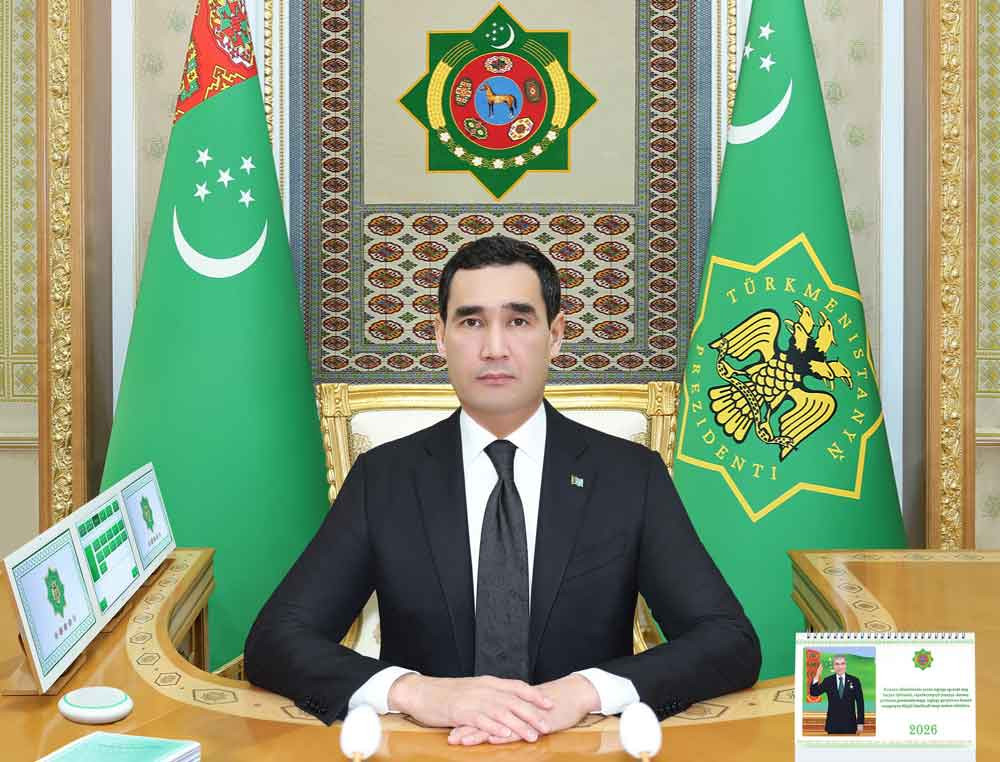



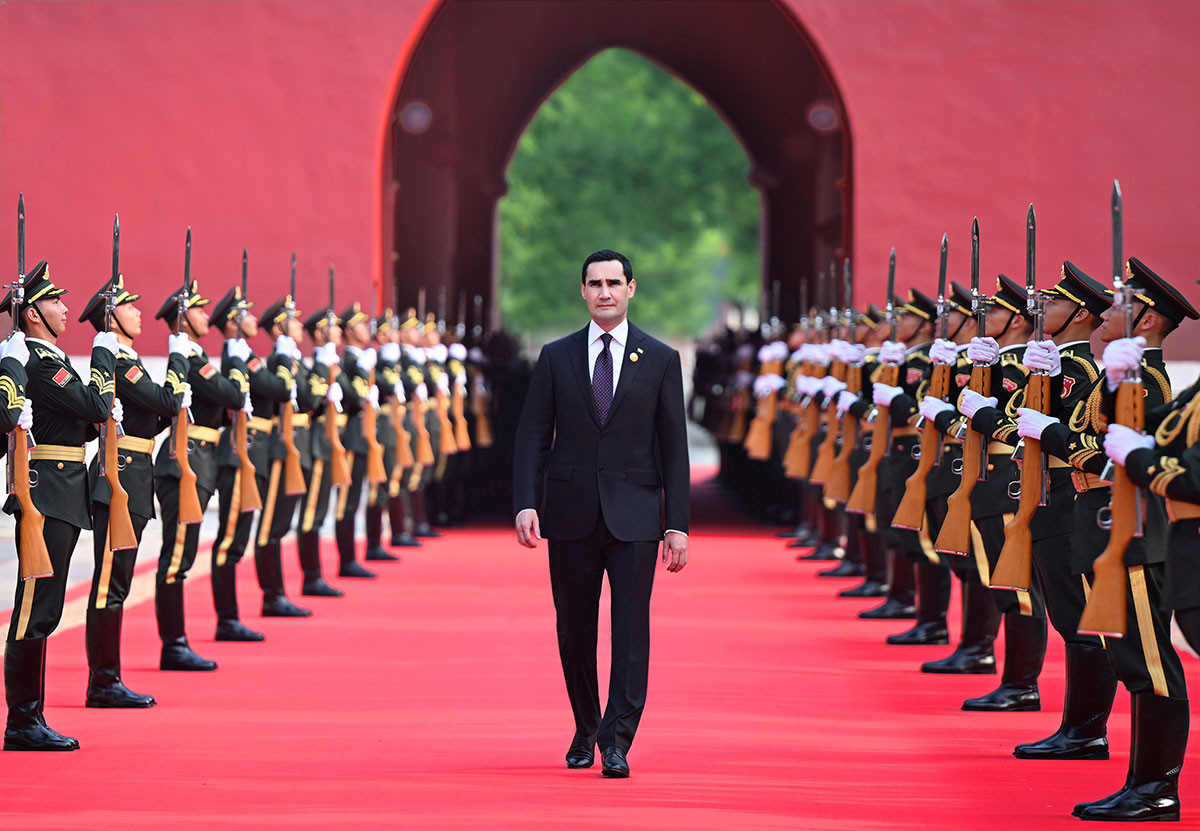
On September 3, at the invitation of the Chairman of the People's Republic of China Xi Jinping, the President of Turkmenistan Serdar Berdimuhamedov took part in the ceremonial events held in Beijing to commemorate the 80th anniversary of the Victory in World War II, TDH reports.
After the joint photo session of the heads of delegations, a ceremonial military parade took place on Tiananmen Square, which became a symbol of China's commitment to peace and the memory of national heroes.
Having completed the program of the working visit to the People's Republic of China, President Serdar Berdimuhamedov arrived at the Beijing International Airport, from where he departed for his homeland.
As TDH notes, the visit was an important step in the development of Turkmen-Chinese strategic relations and demonstrated readiness for a productive dialogue in accordance with the principles of Turkmenistan's neutrality.
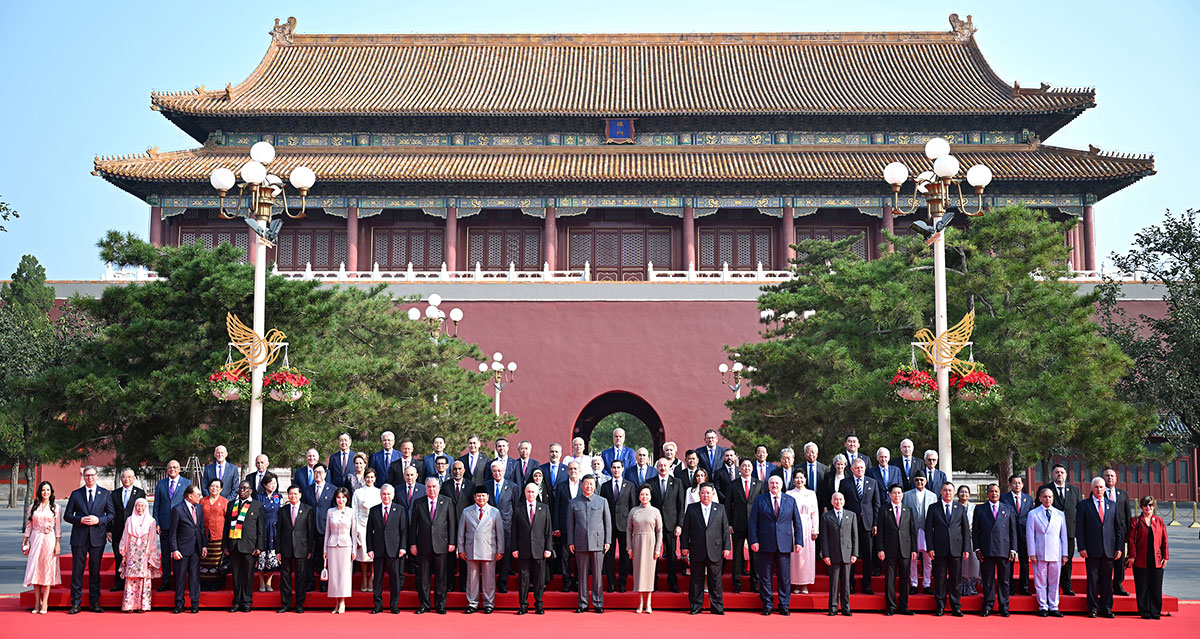
During the visit, the President of Turkmenistan took part in a high-level meeting in the SCO+ format. Participation in this international event demonstrated the strengthening of Turkmenistan's multi-vector foreign policy and the country's desire to expand dialogue with the states of the region.
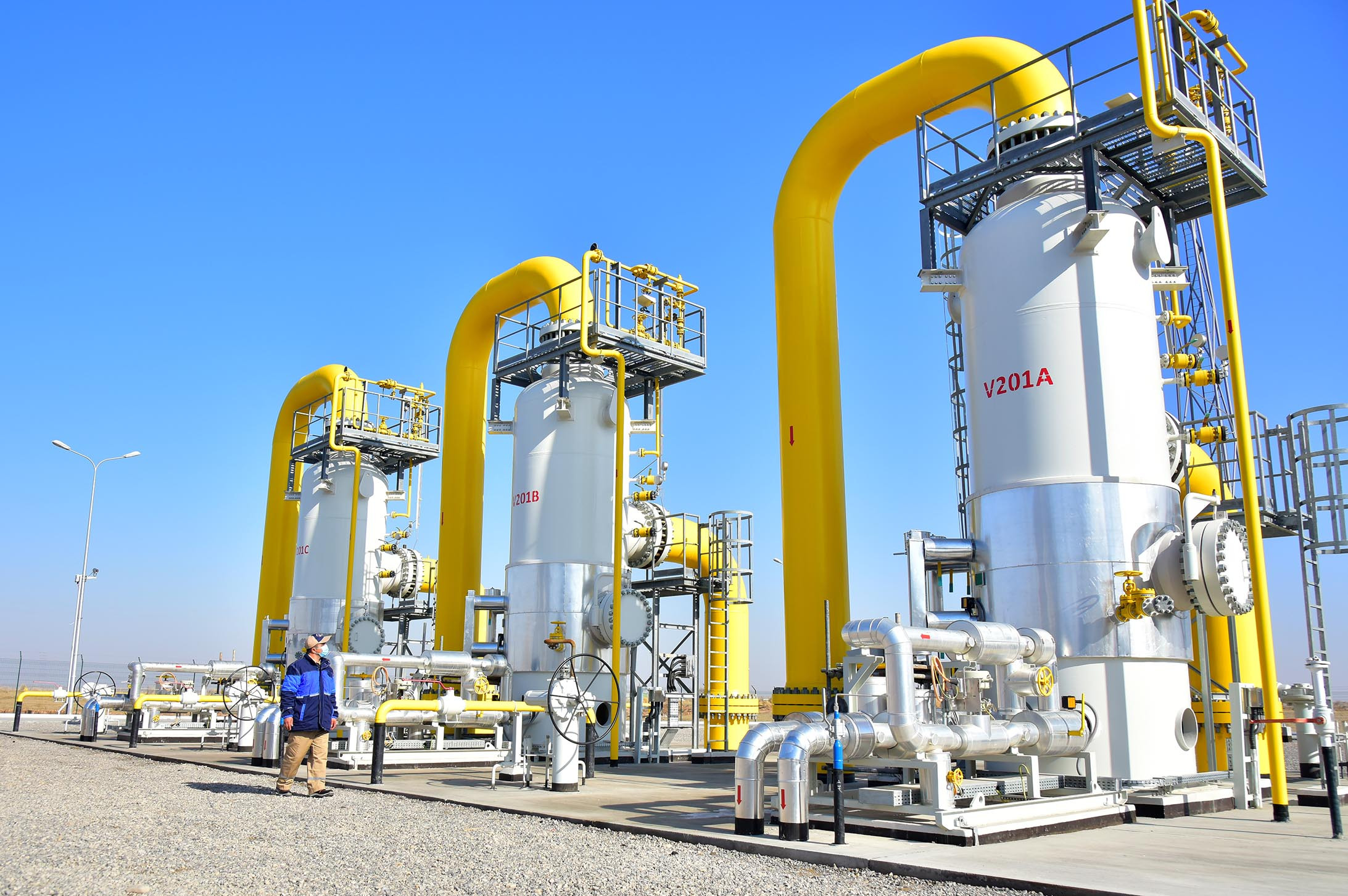
The main event of the visit was the talks between Serdar Berdimuhamedov and Chinese President Xi Jinping. The leaders of the two countries discussed a wide range of issues in bilateral relations, paying special attention to the development of cooperation in strategic areas. In particular, the success of the partnership in the energy sector was noted and the possibilities for developing trade and economic relations were considered.
The President of Turkmenistan also met with First Vice Premier of the State Council of the People's Republic of China Ding Xuexiang. During the conversation, issues of expanding cooperation in the trade, economic, transport and logistics complexes, cultural and humanitarian spheres, and high technology were discussed.
Following the visit, a number of important bilateral documents were signed covering various areas of cooperation. These agreements create a legal basis for further deepening the strategic partnership and implementing joint projects.