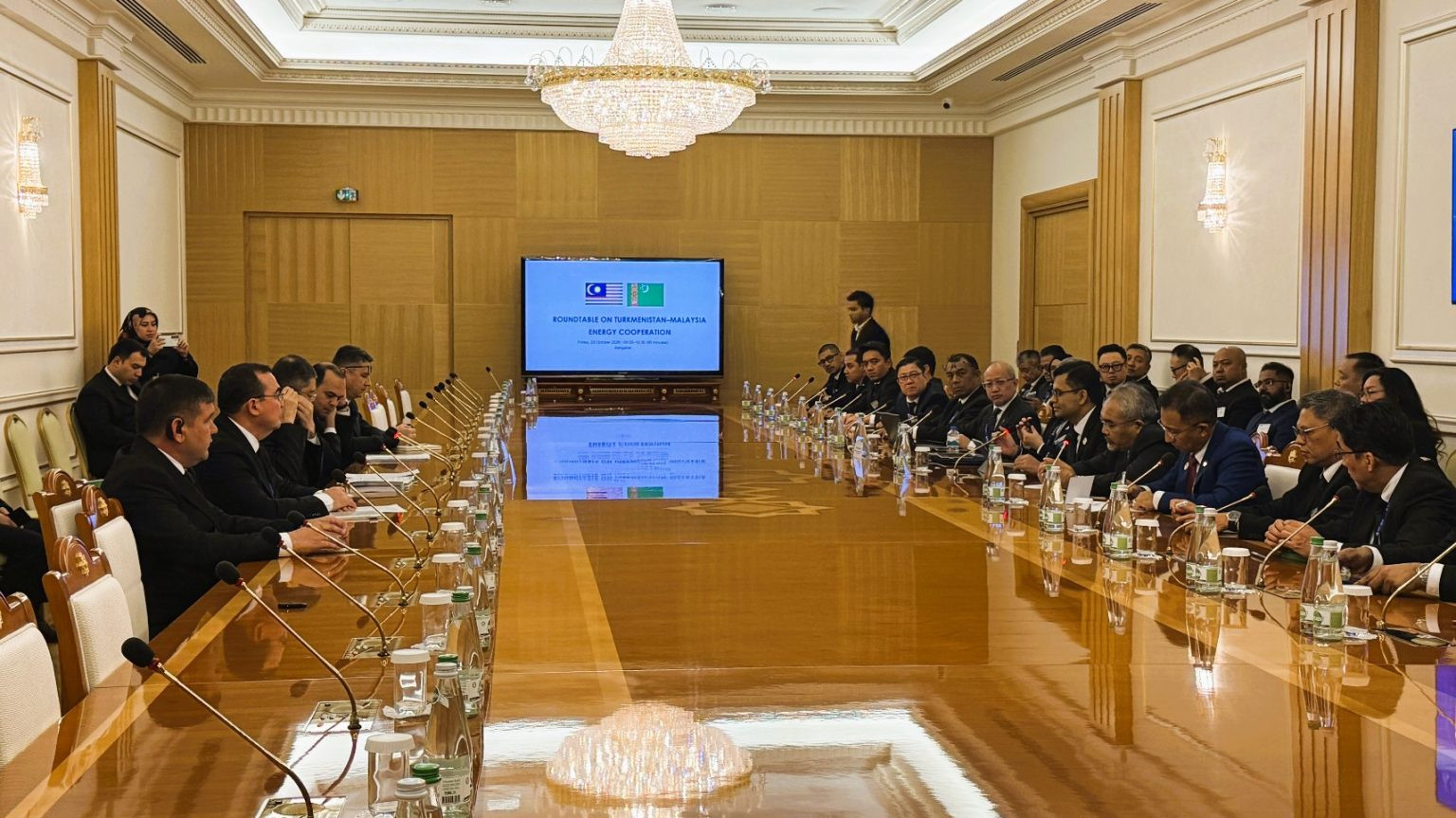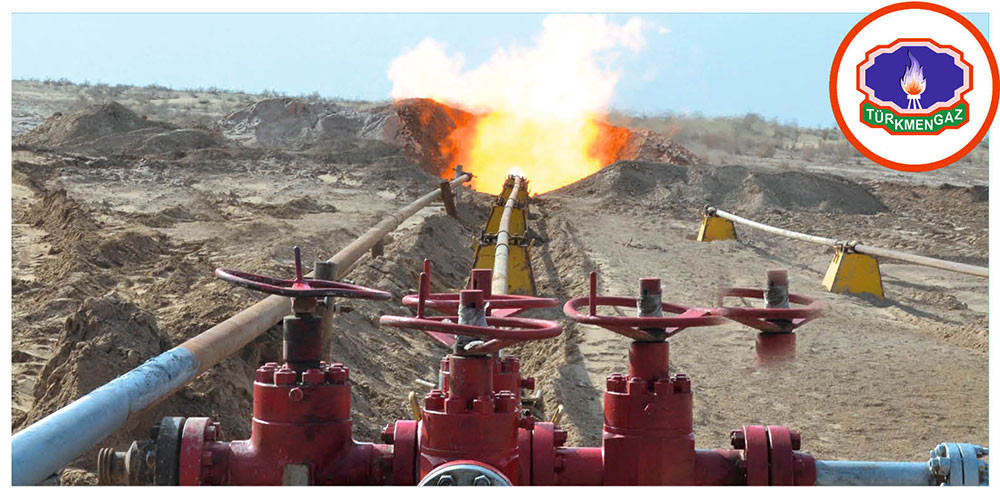



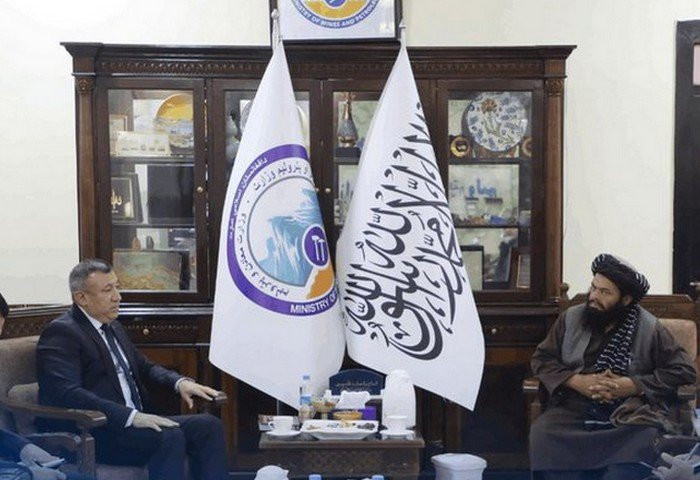
Representatives of Turkmenistan and Afghanistan discussed the progress of the Turkmenistan–Afghanistan–Pakistan–India (TAPI) gas pipeline project. This was a key topic at a meeting between Turkmenistan's Ambassador to Afghanistan, Khoja Ovezov, and Afghanistan's Minister of Mines and Petroleum, Hedayatullah Badri.
Ovezov discussed the current stage of the project and plans for future work.
The parties expressed hope that the pipeline will be completed to Herat by the end of this year.
The total length of the TAPI pipeline is approximately 1,814 kilometers: 214 kilometers in Turkmenistan, 774 kilometers in Afghanistan, and 826 kilometers in Pakistan to the Indian border.
On October 20, 2025, the ceremonial opening of the next stage of the Serhetabat-Herat gas pipeline, known as "Arkadagyň ak ýoly," took place with the participation of Hero Arkadag, National Leader of the Turkmen People Gurbanguly Berdimuhamedov.
As a result of the successful implementation of the project, Afghanistan will receive over $1 billion annually, and Pakistan will receive between $200 and $250 million. This will provide significant assistance in achieving the strategically important goals of these countries.
Turkmenistan envisions improving environmental safety not only within its own territory but also in recipient countries. For example, Pakistan and India currently use large quantities of coal and petroleum products. Natural gas supplies will eliminate or reduce the need for these fuels and contribute to cleaner air in cities.
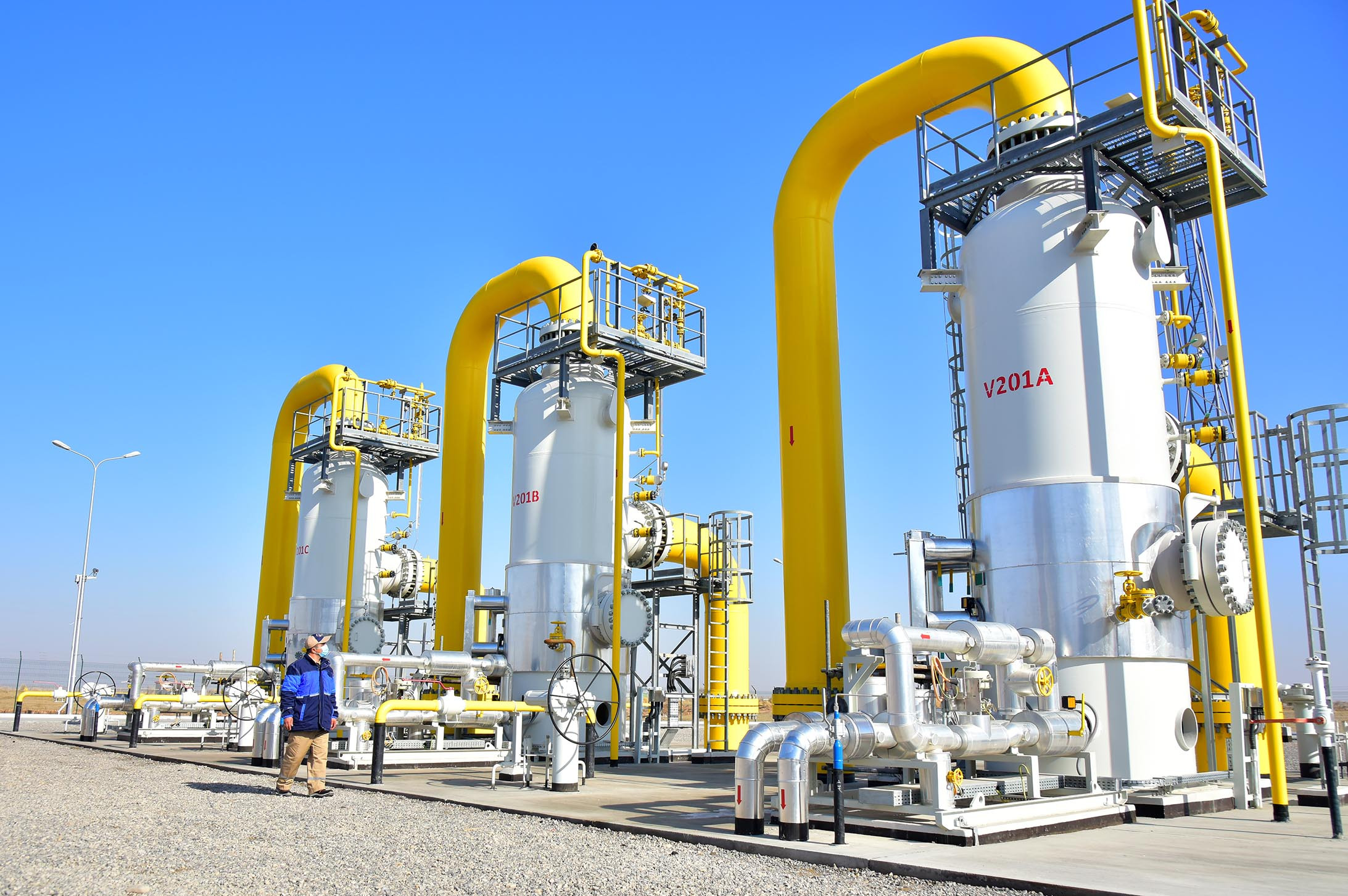
Furthermore, the construction of the TAPI project will fully utilize the latest advances in digital technology. The SCADA dispatch control system automatically shuts off gas supply at the slightest leak or pressure drop anywhere along the pipeline, preventing environmental damage. The installed pipes are coated with special protective materials both inside and out to prevent corrosion. Furthermore, during construction and installation, special protective technologies are used to prevent river and groundwater pollution, and strict monitoring is exercised to preserve the unique flora and fauna. This information is reported on the website turkmennebit.gov.tm