



The path to sustainable development and environmental safety
10:24 17.11.2025 2681
Energy efficiency is the economical and effective use of energy, that is, reducing energy costs while achieving the same results (living comfort, production, services, etc.). Success in this area is important not only from an economic but also from an environmental perspective.
In recent years, Turkmenistan has taken a number of steps in this direction. A National Energy Efficiency Strategy is being developed. The goals are to reduce energy consumption and to implement energy-efficient systems in households, plants and government institutions. The use of thermal insulation and energy-saving construction materials in housing construction is being encouraged. Lighting systems in government buildings and city streets are being modernized. Projects for the use of solar and wind energy are being developed. Residential buildings equipped with solar panels and small power plants are being built.
Improving energy efficiency can bring a number of benefits to Turkmenistan. Energy conservation and increased export potential, improved environmental conditions, job creation through the introduction of new technologies and improved living standards are all vivid examples of them.
Improving energy efficiency is not only a technical issue but also a broad area of economic, environmental and social significance. Continuing Turkmenistan’s ongoing work in this area will significantly contribute to the country’s sustainable development, the rational use of natural resources and environmental safety.
Energy conservation reduces production costs, particularly in industry. It creates economic advantages for companies and individuals by reducing electricity and gas costs. Smaller domestic energy consumption reduces dependence on energy imports. Saved energy resources are exported abroad, increasing government revenue. The introduction of energy-saving technologies creates new jobs in the energy and manufacturing sectors.
Reducing crude oil and gas consumption decreases air pollution and CO2 emissions, promoting the efficient use of natural resources. The efficient use of clean energy sources such as solar, wind and hydroelectric power ensures environment protection. It contributes to the protection of local ecosystems through energy savings and increased energy efficiency.
The efficient consumption of electricity and gas ensures a high standard of living. Raising awareness of energy conservation and energy efficiency promotes environmental and economic literacy in society. Energy efficiency contributes to the sustainable development of society and the country’s future generations.
Sustainable energy sources are being developed, and solar and wind energy projects are being implemented.
Energy efficiency is an important component of sustainable development. This area plays a significant role in the policies of countries around the world. Energy efficiency is being improved in various sectors.
Efforts are underway to replace old equipment with new, more efficient units, to implement automation systems, to use electric and hybrid vehicles, to improve road traffic efficiency, to increase power plant efficiency, to utilize renewable resources and LED lamps and to promote efficient water and heat use. The European Union and Japan are leaders in energy efficiency. They insulate older buildings and encourage the introduction of energy-saving technologies. The United States has a special program, “Energy Star”, which provides for the certification of energy-saving equipment. Energy-saving technologies are currently being implemented in Eastern countries, including Turkmenistan.
Despite Turkmenistan’s energy potential, its efficient use is being promoted as a priority. In recent years, LED lighting systems have been widely used. Thermal insulation is being improved in new buildings. Pilot projects for solar energy are being implemented. Special strategies in this area are being developed at the state level, and international cooperation is being strengthened. Efficient energy use helps conserve natural resources, reduce costs, clean the environment and promote sustainable development.
The National Strategy of the Development of Renewable Energy until 2030 sets goals such as the use of renewable energy sources (solar, wind, etc.) and improved energy efficiency. Key areas of the strategy include introducing standards such as energy audits and energy passports, improving the energy efficiency of buildings and structures, installing insulation systems and energy-efficient equipment, developing renewable energy sources, focusing on the potential of solar energy, raising public awareness and engaging the private sector, information companies, youth and public organizations.
Fuels such as oil and natural gas are limited, and their prices are rising over time. Excessive energy consumption contributes to climate change, carbon emissions and the depletion of natural resources.
The main ways to save energy are using energy-saving lamps and appliances, improving energy efficiency in industry and at homes, expanding the use of permanent electric drive systems in automobiles and electric vehicles and developing national energy conservation programs.
Novruz
MERDANOV,
a
student of the Border Institute of Turkmenistan

Turkmen gas is also needed to fill the SGC gas pipeline, - expert
- It is very difficult to fill the Southern Gas Corridor (SGC) with Azerbaijani gas alone; gas from Turkmenistan is also needed. - This was stated by Julian Bowden, a senior researcher at the Oxford Institute for Energy Studies (OIES), Trend reports.
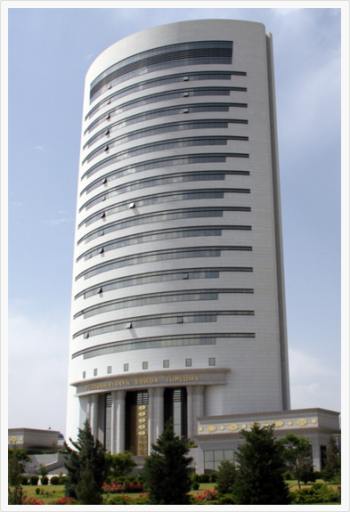
Turkish and Afghan businessmen purchased liquefied gas and jet fuel at exchange trades
11 transactions were registered at the State Commodity and Raw Materials Exchange of Turkmenistan last week.
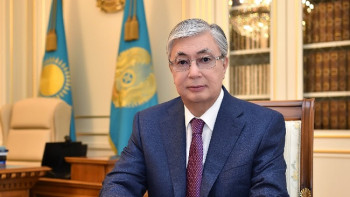
The President of Kazakhstan confirmed his participation in the international peace forum in Ashgabat
The President of Kazakhstan Kassym-Jomart Tokayev confirmed his participation in the International Peace and Trust Forum, which is scheduled to be held on December 12 in Ashgabat. The head of Kazakhstan wrote about this in a letter addressed to the Chairman of the Halk Maslahaty Gurbanguly Berdimuhamedov.

OPEC+ countries decided to increase oil production quotas in September by 100,000 b/d
OPEC+ ministers decided to increase oil production quotas in September by 100,000 barrels per day, Interfax reported on Wednesday, citing a source in one of the delegations.

Turkmenistan and the Cooperation Council for the Arab States of the Persian Gulf signed a memorandum of cooperation
Prospects for further development of relations between Turkmenistan and the Cooperation Council for the Arab States of the Persian Gulf were discussed at the meeting of Vice-Chairman, Minister of Foreign Affairs of Turkmenistan Rashid Meredov with the Secretary General of this organization Naif Falah Mubarak Al-Hajraf, the website of the Foreign Ministry of Turkmenistan reports.