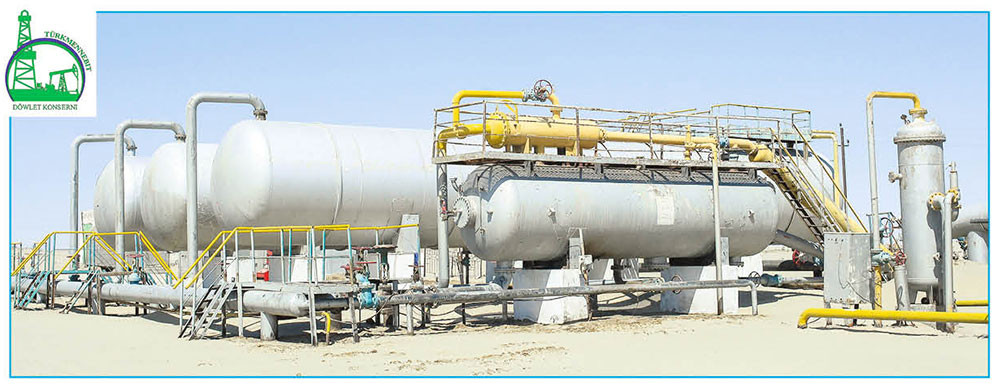





Analysts at the International Energy Agency (IEA) estimate that halving the emission intensity of the world’s oil and gas production will require an investment of $600 billion.
The IEA has estimated that in 2022, the activities of oil and gas companies led to the emission of 5.1 billion tons of carbon dioxide (CO2) equivalent. Global energy-related emissions amounted to 40 gigatons. Thus, the oil and gas industry is responsible for almost 15% of CO2 emissions in the energy sector.
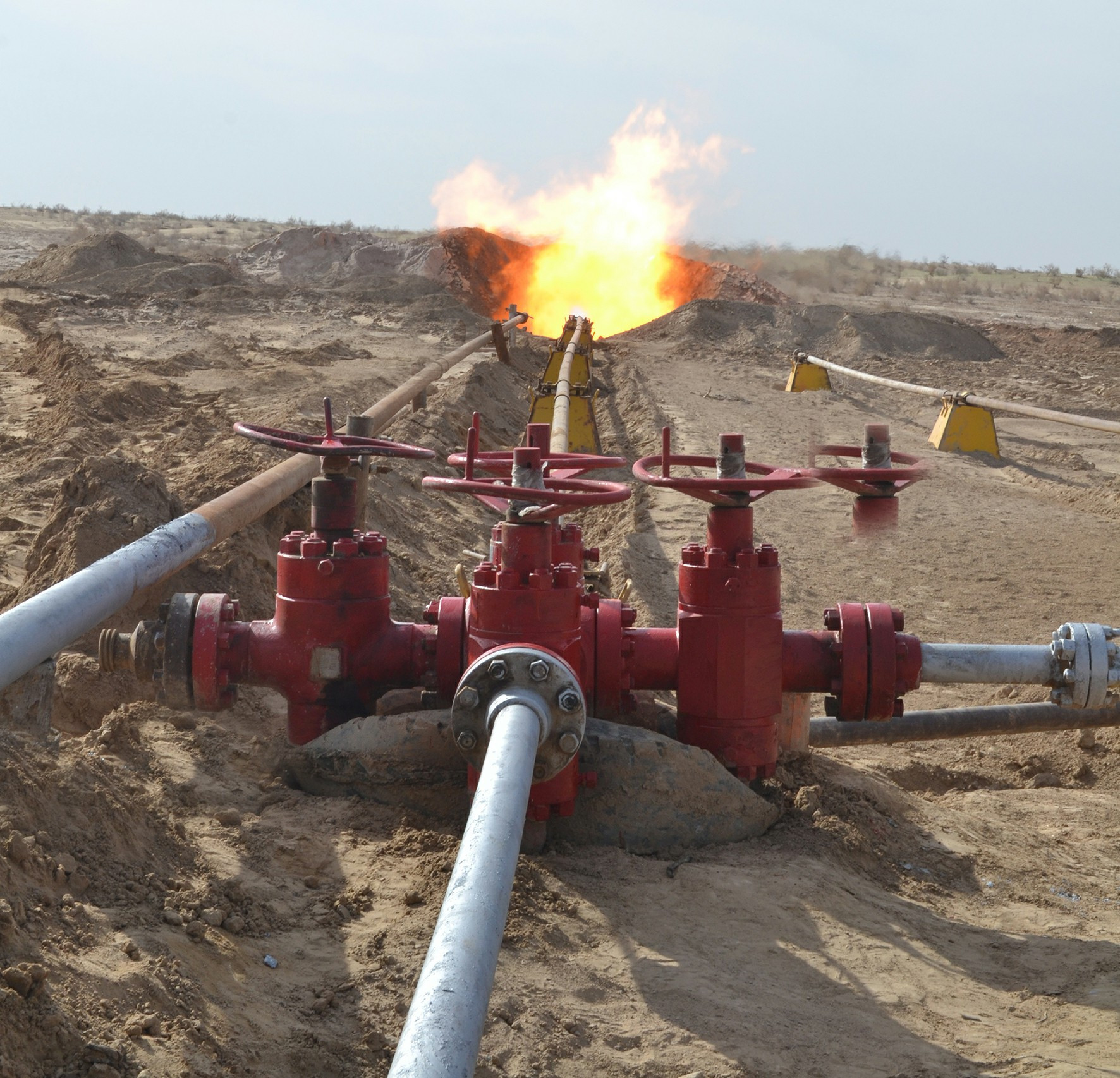
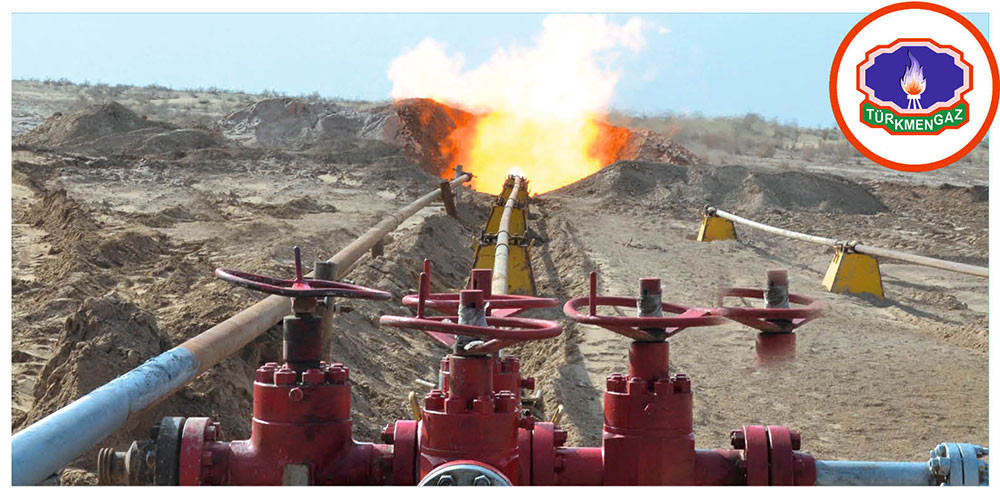
IEA experts offer five directions for reducing emissions by 2030. Among them, the key is the reduction of methane emissions, one of the factors in increasing the global temperature on the planet. Flaring of associated gas should also be reduced. It is proposed to use it by alternative methods – to deliver it to consumers, to re-inject it to maintain reservoir pressure, and also to convert it into liquefied gas and use it to generate electricity.
In addition, IEA analysts propose electrifying fields and related infrastructure through a centralized energy-efficient grid and renewable energy sources, expanding the use of low-emission hydrogen in refineries, equipping oil and gas production with carbon capture, utilization and storage.