The IMF predicts an increase in the price of oil in 2022 by almost 55%, for gas – by 147%
14:54 21.04.2022 5563
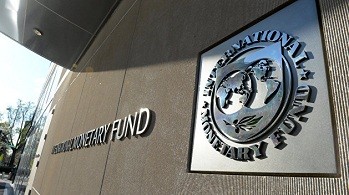
The International Monetary Fund (IMF) has sharply raised its average oil price forecast for 2022. The IMF presented the updated report on April 19, 2022, Neftegaz.RU reports.
The IMF uses a simple average of Brent, WTI and Dubai Fateh oil prices in its calculations. According to the IMF, the average oil price in 2021 was $69.07/bbl.
The estimated price in 2022 will be $106.83/bbl, in 2023 - $92.63/bbl.
As a result, in 2022, the IMF expects oil prices to rise by 54.7% year-on-year and decline by 13.3% in 2023.
A similar situation will be observed in 2022 with natural gas prices, but the growth will be even higher – about 147%, the IMF report notes.
The IMF does not provide a predicted price for gas, fixing only the potential dynamics.
In 2023, as with oil, gas prices are expected to decline as supply balances.
The IMF notes that the rise in oil and gas prices was the result of, among other things, the conflict in Ukraine and Western sanctions against Russia, which led to interruptions in production and supply.
Although the price of oil has risen sharply, the availability of spare capacity in other countries, as well as the release of oil from reserves, is likely to keep this increase contained in the medium term.
Regarding the gas market, the IMF notes the relative inflexibility of the infrastructure necessary for its transportation in comparison with oil. This would mean that global supply could be adjusted with less ease, raising the prospect of higher prices for a longer time.
Europe has to compete with Northeast Asia for spot supplies of liquefied natural gas (LNG), which has pushed up natural gas prices worldwide except for North America.
The IMF expects natural gas prices to remain high until mid-2023 amid supply and energy security concerns, while Europe plans to reduce dependence on Russian natural gas.
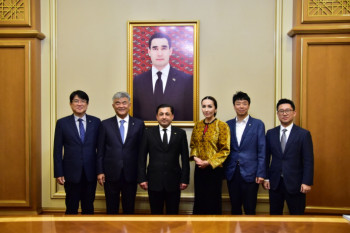
Daewoo E&C strengthens strategic ties with Turkmenistan
Daewoo E&C Chairman Jeong Won-ju visited Turkmenistan from June 26 to 30 to discuss new business opportunities and strengthen the company's presence in the Central Asian market, the company said in a statement on July 1.
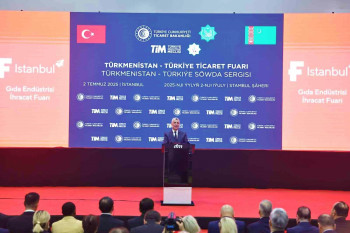
Turkmenistan's export potential presented in Istanbul
The exhibition of export goods of Turkmenistan opened in the Istanbul Exhibition Center. The event, which will last from July 2 to 5, has become a clear evidence of the development of bilateral cooperation, actively supported by the heads of state, Orient reports (Orient Link: https://orient.tm/ru/post/87213/turkmenistan-stambul-vystavka-eksport).
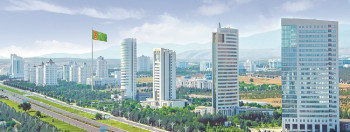
Chairman of the Halk Maslahaty of Turkmenistan outlined the main features of the country's economic development
Speaking at a meeting of the Halk Maslahaty of Turkmenistan, National Leader of the Turkmen people Gurbanguly Berdimuhamedov emphasized that the key factor in the sustainable advancement of any country is economic growth, TDH reports.

Turkmenistan and the UK are ready to develop trade and economic cooperation in priority areas
Topical issues on the bilateral agenda were discussed at the talks between the Foreign Minister of Turkmenistan Rashid Meredov and the Parliamentary Deputy Secretary of State of the British Foreign, Commonwealth and Development Department, Minister Leo Doherty, who arrived in Ashgabat on a working visit. This was reported on the website of the Foreign Ministry of Turkmenistan.

The Democratic Party of Turkmenistan nominated Serdar Berdimuhamedov as a candidate for the post of President of the country
Vice-Chairman Serdar Berdimuhamedov has become the first candidate for the post of head of state in the upcoming early presidential elections in Turkmenistan. His candidacy was nominated and unanimously supported at the IX Extraordinary Congress of the country's Democratic Party, held on Monday.